Opportunities and challenges in Southeast Asia's concrete market
Infrastructure facility needs
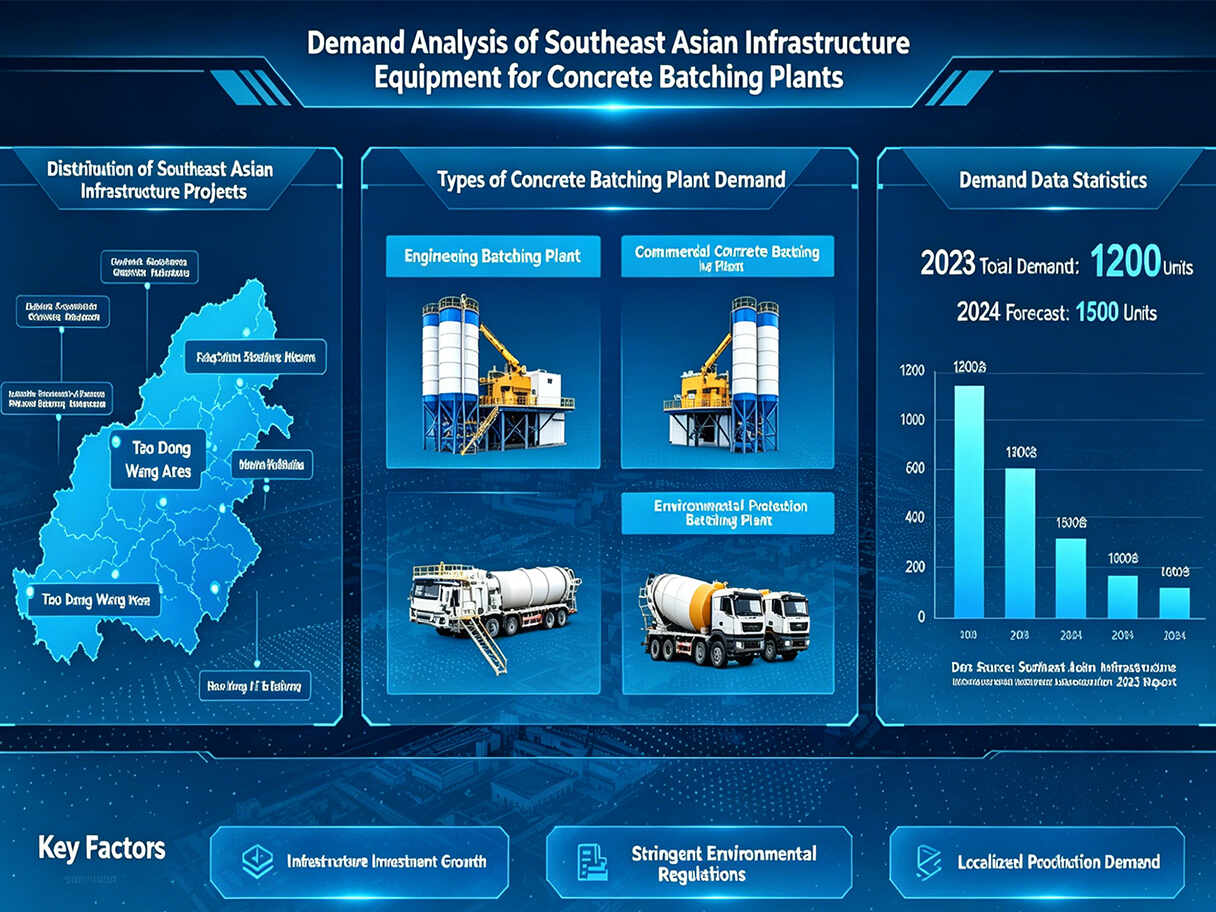
In order to promote economic development, Southeast Asian countries have increased investment in infrastructure, and projects such as roads, airports, and high-speed rail have been implemented one after another. The Philippines, Indonesia, Thailand, and Vietnam all have large-scale construction plans. Vietnam has invested more than 100 billion US dollars in infrastructure in five years, and the demand for ready-mixed concrete has increased significantly.
Development of the real estate market
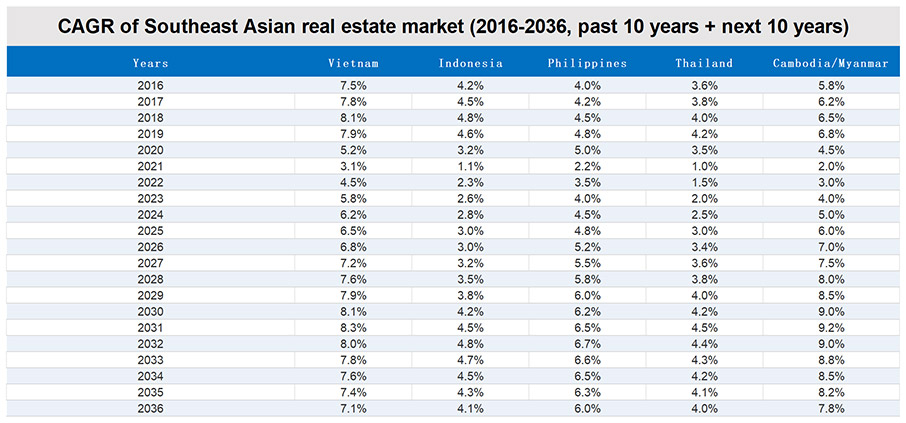
Southeast Asia's economy and urbanization are accelerating, and demand for commercial and residential real estate continues to rise, driving concrete consumption. Indonesian housing is the largest consumer of ready-mixed concrete, accounting for nearly 40% in 2022. Hundreds of thousands of housing units are needed every year. The scale of the commercial and real estate industry is steadily expanding. The property market in the Philippines and Vietnam has strong momentum, and demand for ready-mixed concrete continues to be strong.
Admixture supply chain status
The supply of additives in Southeast Asia is weak and relies mostly on imports. Local production capacity is slowly increasing, bringing opportunities to domestic companies. The Jakarta-Bandung High-speed Railway uses imported high-quality additives.
Policy Environment and Investment Opportunities
Environmental policy pressure
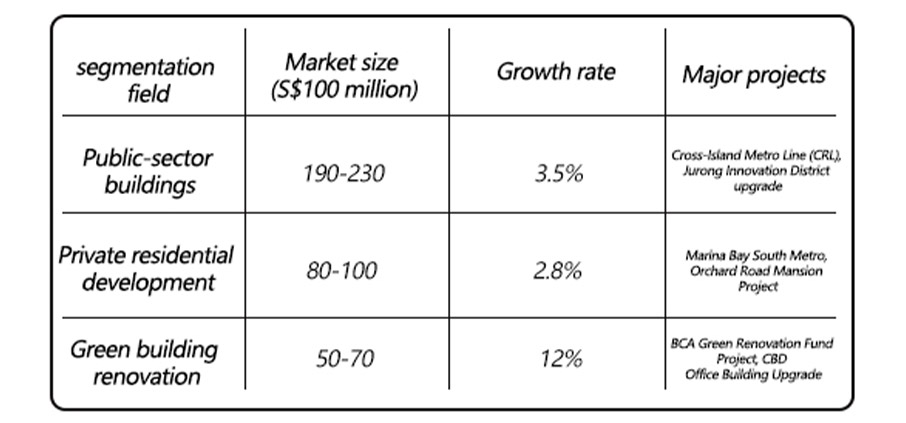
Environmental protection control in Southeast Asia is becoming stricter, and Singapore and Thailand have introduced green and low-carbon policies to restrict concrete production. Under the challenge, environmentally friendly mixing companies are facing development opportunities.
Policy support and simplified approval
Many countries in Southeast Asia have introduced tax cuts, land support and other investment incentives to optimize approval efficiency. Investors can understand the policy dividends and effectively reduce the investment cost of building factories.
Competition and Risk
Competition in Southeast Asia
The ready-mixed concrete market in Southeast Asia is highly competitive, with local and foreign-funded companies competing on the same stage. Indonesia's market structure is *tered, and the proportion of leading companies is not high. Enterprises need to rely on technological improvement to seize shares.
Potential risks and countermeasures
There are many risks in Southeast Asia. Political turmoil in some countries can easily delay projects, and changes in local taxation and industrial policies will impact investment returns. Comprehensive research and risk assessment must be conducted before entering the venue.
Despite these risks, factors such as economic development trends, huge market demand and favorable policy environment in Southeast Asia still make ready-mixed concrete investment feasible and broad development prospects.